
Best Fitbit Alternatives in 2026: Top Picks for Every Need
Quick Answer
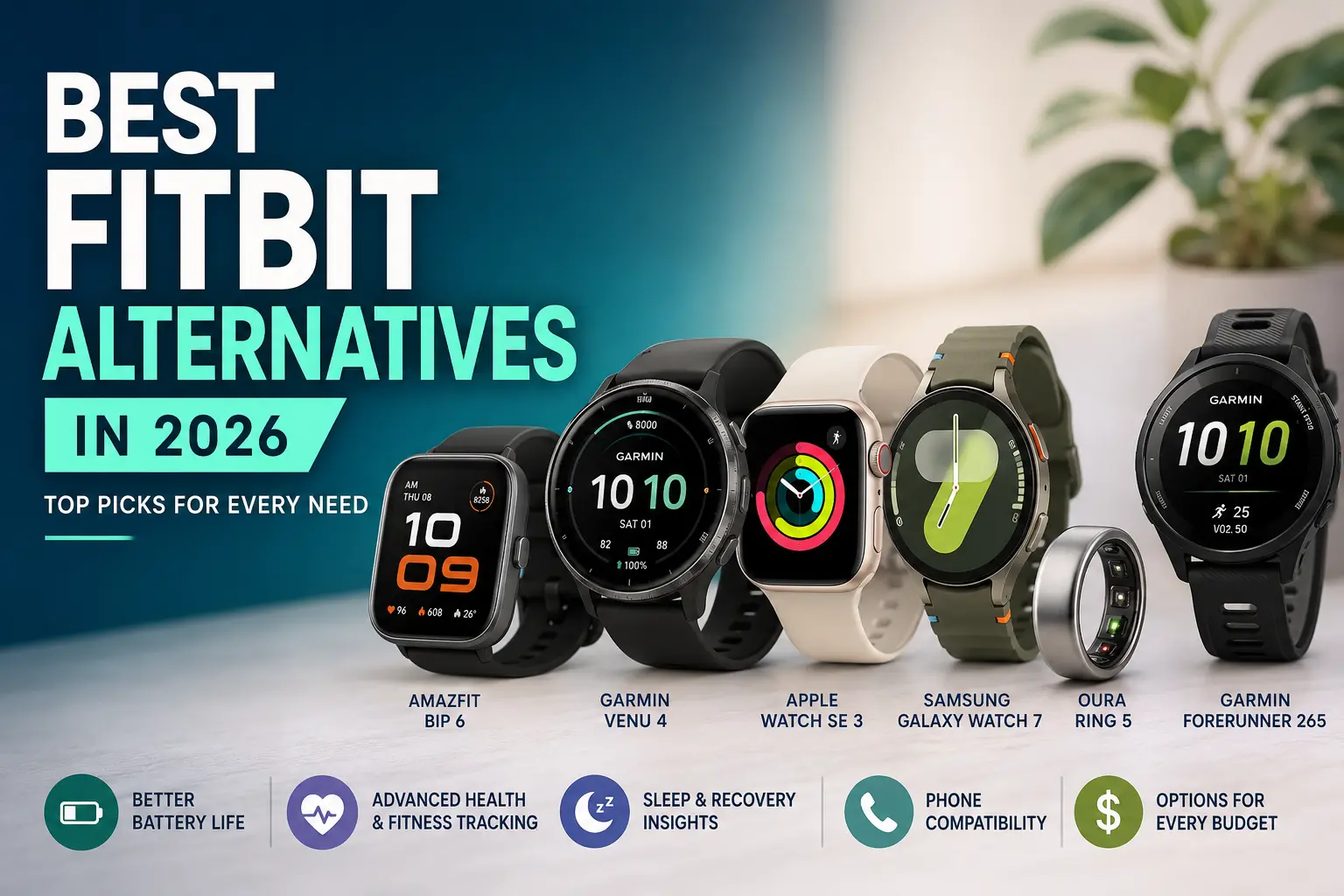
For most people, the best Fitbit alternative is the Garmin Venu 4 because it offers detailed health, fitness, sleep and recovery tracking without a monthly subscription. Amazfit Bip 6 is the best budget pick, Oura Ring 5 is best for sleep tracking, Apple Watch SE 3 is best for iPhone users, Samsung Galaxy Watch 7 is best for Android users and Garmin Forerunner 265 is best for runners or athletes.
Why Fitbit users are exploring other options
Fitbit is entering a new chapter under Google. In May 2026, Google announced that the Fitbit app would become the Google Health app, with a redesigned experience built around a central health dashboard, improved tracking and AI-powered coaching. Fitbit Premium was also renamed Google Health Premium, making Fitbit part of a broader Google Health ecosystem that includes Fitbit devices, Pixel Watch and the new Google Fitbit Air.
For many users, that shift may be a positive one. Google Health brings Fitbit closer to Google's newest health tools, AI coaching and Pixel Watch integration. But it also means Fitbit is no longer just a standalone brand with a dedicated app. Some longtime users have taken to Reddit to say they miss the old Fitbit app's interface and are struggling to adjust to the new layout.
That's largely why there's been an influx of people seeking alternatives to Fitbit. Some users are done paying a monthly fee just to see their own data. Others want longer battery life, more accurate sleep tracking, different interface, a ring instead of a wristband or a smartwatch that actually plays nice with their phone. What counts as the "best" alternative really just comes down to the budget you're working with and what features you care about the most.
Best Fitbit alternatives at a glance
| Device | Best for | Subscription required | Starting price |
|---|---|---|---|
| Garmin Venu 4 | Best overall alternative | No | $499, often discounted |
| Amazfit Bip 6 | Best budget alternative | No | $79 |
| Apple Watch SE 3 | Best for iPhone users | No for core health features | $249 |
| Samsung Galaxy Watch 7 | Best for Android users | No for core health features | $249 |
| Oura Ring 5 | Best for sleep tracking | Yes | $399 plus $5.99 a month |
| Garmin Forerunner 265 | Best for runners and training insights | No | $449, often discounted |
1. Garmin Venu 4 — Best Overall Alternative
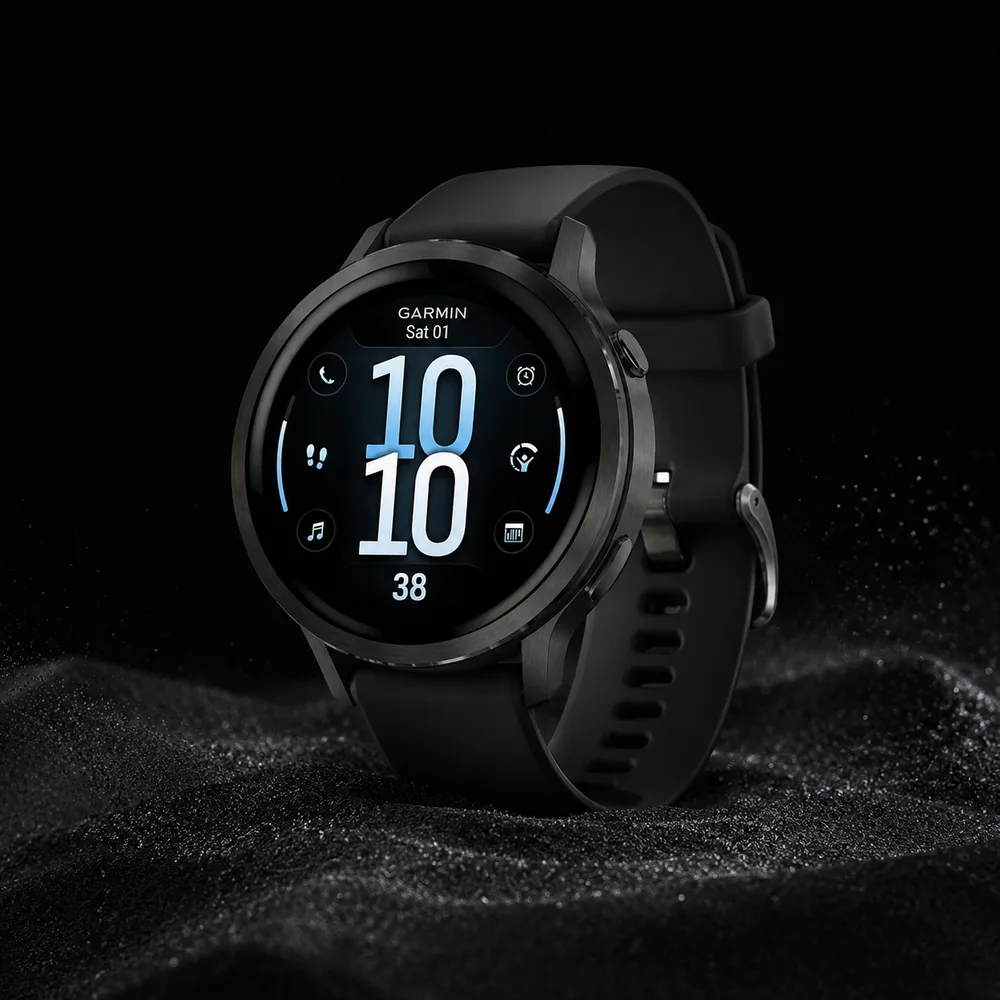
The Garmin Venu 4 is one of the strongest Fitbit alternatives for people who want advanced health, fitness, sleep and recovery tracking without a required monthly subscription. The Venu 4 hands over heart rate, sleep, stress, workouts, HRV status, Body Battery, Training Readiness and recovery time without ever asking for a credit card after the initial purchase. It's built for people who want real insight into how their body is recovering day to day, not just a step count.
Recent update: Venu 4 builds on the Venu 3 with Health Status, Lifestyle Logging, Sleep Alignment, Training Readiness, recovery time, multi-band GPS, an LED flashlight and up to 12 days of battery life in smartwatch mode.
Best for: Excellent for tracking cardio load, sleep quality, HRV, stress, activity, training load and daily energy trends without locking core insights behind a subscription.
2. Amazfit Bip 6 — Best Budget Pick
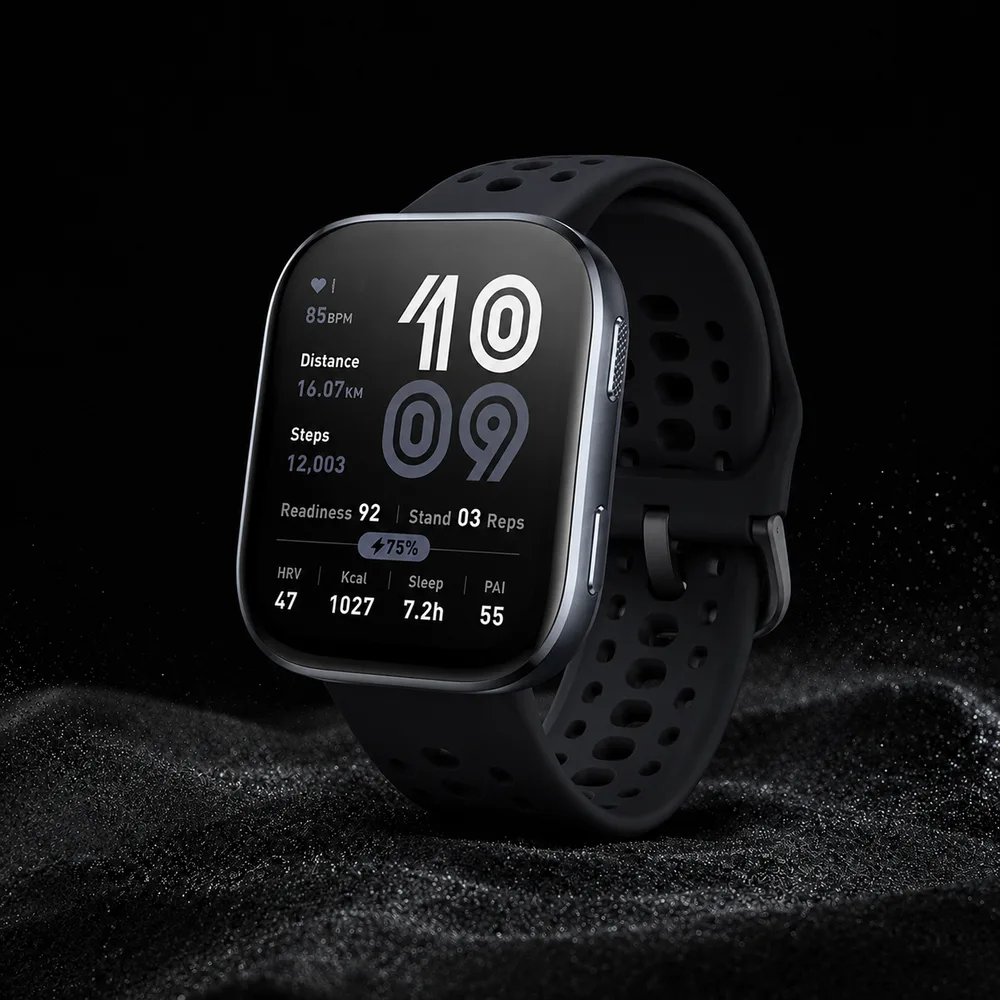
Not everyone needs or wants to spend hundreds of dollars to find out how they slept. The Bip 6 keeps the price low without feeling stripped down, packing a 1.97 inch AMOLED display, built in GPS, Bluetooth calling and over 140 workout modes into a watch that costs a fraction of most competitors.
Recent update: Bip 6 brings a larger AMOLED display, built in GPS, offline maps, AI powered coaching through the Zepp app and broader workout support than most budget trackers offer.
Best for: Price-conscious shoppers who want built-in GPS, Bluetooth phone calling and a full smartwatch experience without spending much.
3. Apple Watch SE 3 — Best for iPhone Users
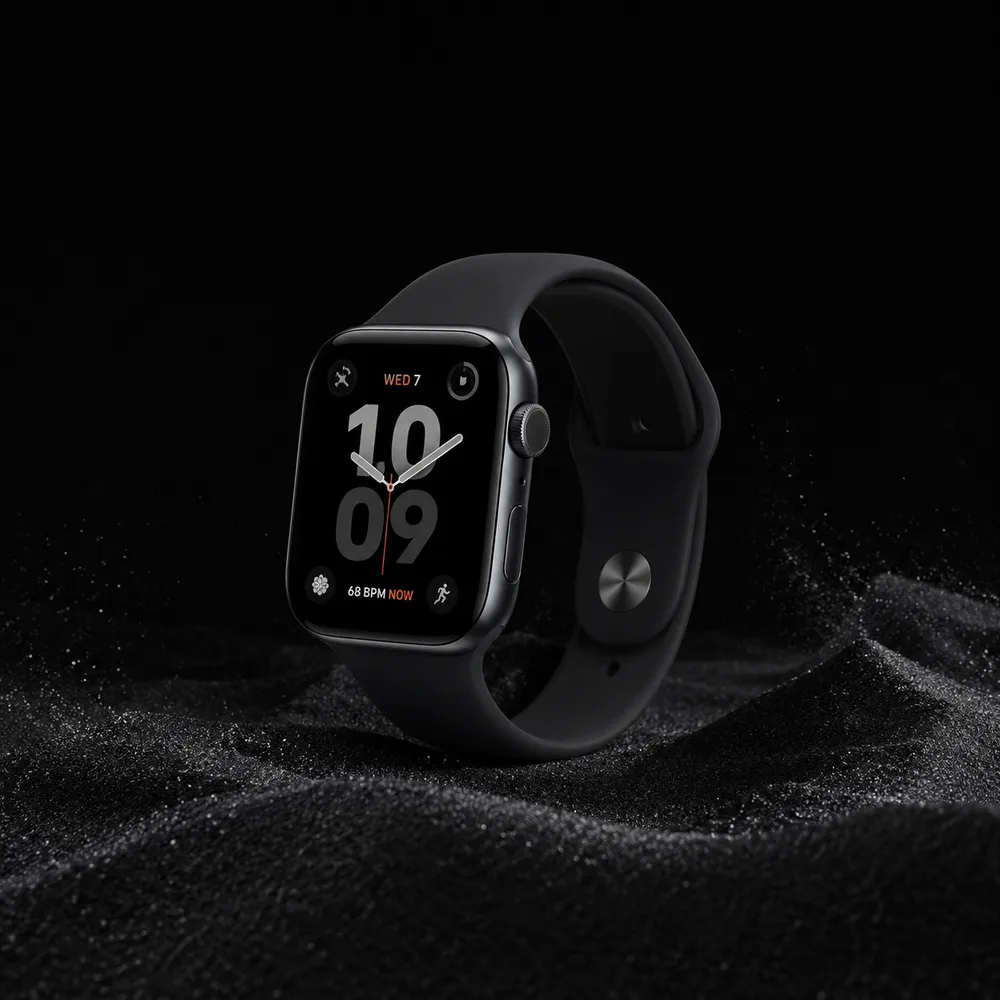
For iPhone owners, the appeal isn't always about matching Fitbit feature for feature. It's about not having your data live in two separate apps. The SE 3 ties activity tracking, heart rate, workouts and sleep directly into Apple Health, so everything from your phone and your watch lands in one place automatically. It also supports Apple Pay which is a major convenience to have.
Recent update: Apple has kept building out Apple Health and Fitness, making the Watch a stronger hub for anyone who wants wearable data folded into a wider health picture rather than siloed in a separate app.
Best for: iPhone users who'd rather have one connected health app than juggle Fitbit and Apple Health side by side.
4. Samsung Galaxy Watch 7 — Best for Android Users
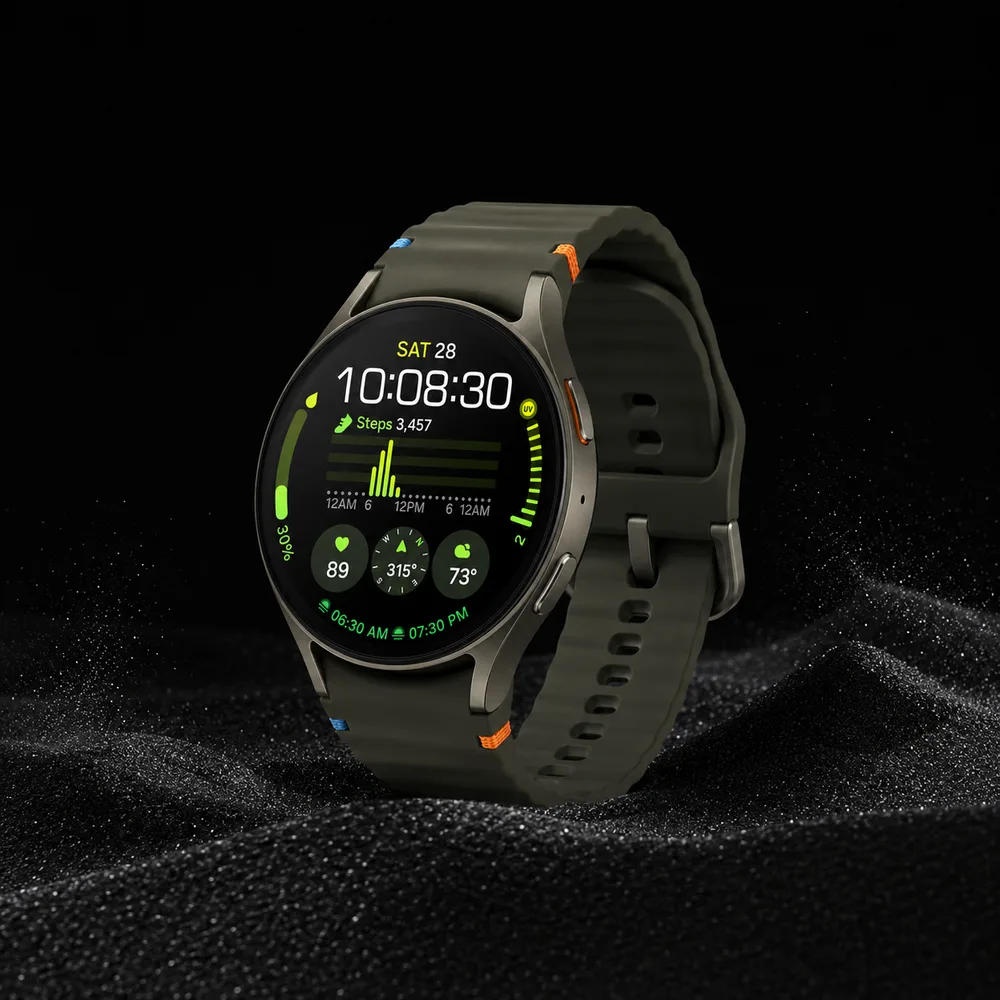
Samsung phone owners get a similar advantage on the Android side. The Galaxy Watch 7 covers health tracking, workouts, sleep, body composition and payments, and pairs more naturally with a Samsung phone than a Fitbit ever could.
Recent update: Samsung has since released the Galaxy Watch 8, which adds a refreshed design, a brighter display and newer Galaxy AI health features. Still, some users consider the Galaxy Watch 7 to be of better value because it offers many of the same core health, fitness and smartwatch features at a lower price.
Best for: Samsung owners who want body composition readings like muscle versus fat alongside heart rate and sleep, a feature most Fitbit alternatives skip entirely.
5. Oura Ring 5 — Best for Sleep Tracking
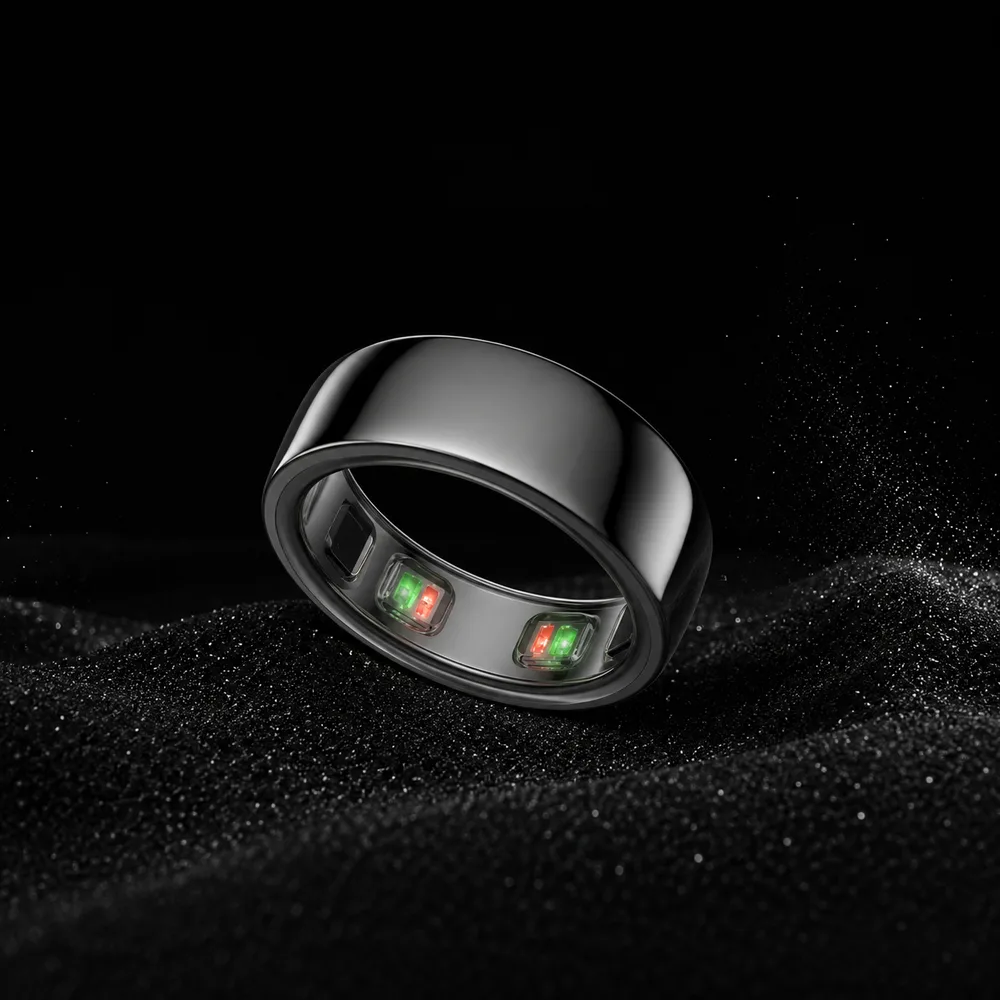
If your main issue with Fitbit was ever the wristband itself rather than the data, Oura solves that by ditching the wrist altogether. The Ring 5 is built around overnight tracking specifically, covering sleep stages, timing, efficiency, resting heart rate, HRV, respiratory rate, SpO2 and body temperature trends for anyone who wants a closer read on recovery. Anecdotally, Oura is one of the primary wearables often recommended by Reddit users when discussing sleep tracking accuracy.
Recent update: Ring 5 introduced a smaller titanium build, improved sensors and up to 9 days of battery life, while keeping its focus on sleep, stress, readiness and recovery.
Best for: People who care about sleep and recovery data specifically and would rather wear a ring overnight than a band or watch.
6. Garmin Forerunner 265 — Best for Athletes & Runners
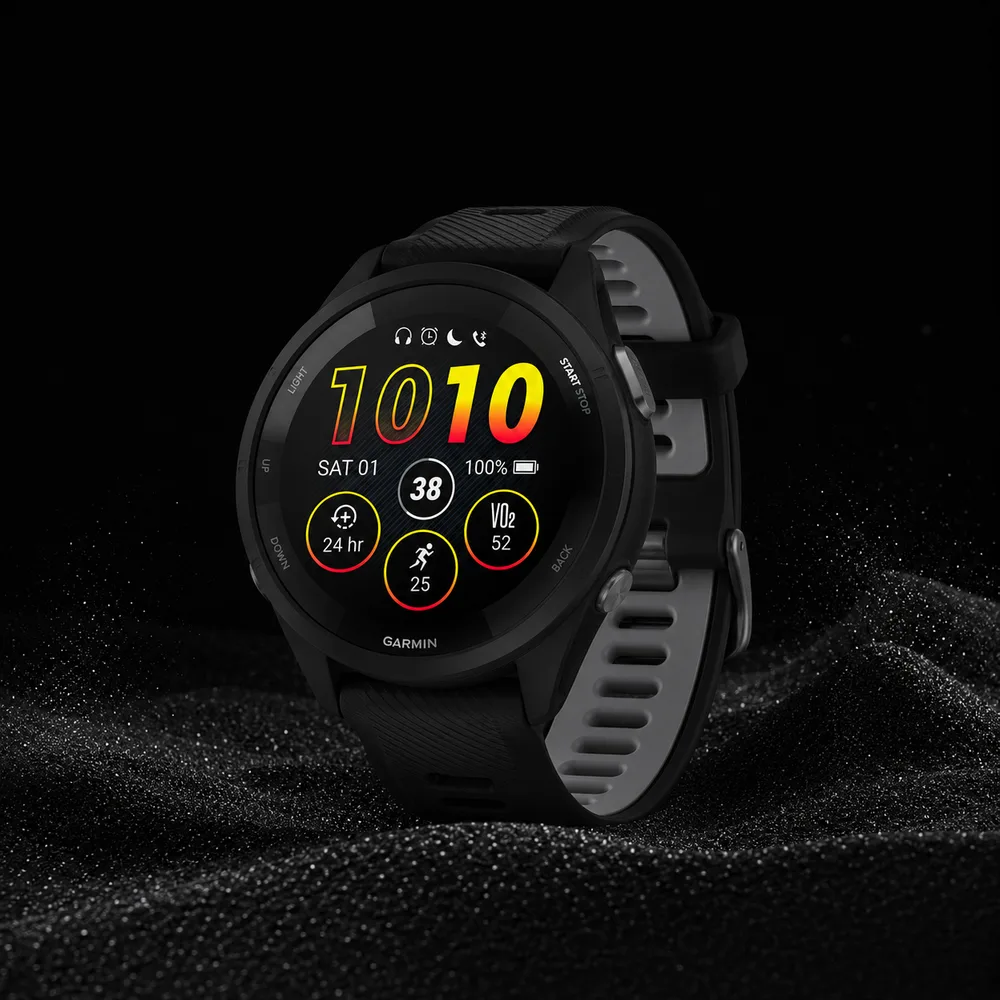
Casual fitness trackers tend to plateau once you start training for something specific, like a race. The Forerunner 265 is built for that next step, with an AMOLED display, GPS, HRV status, training status, race widgets, recovery time and a morning report that tells you whether your body is actually ready for a hard session.
Recent update: the 265 remains a strong pick because it brings Garmin's advanced training tools and accurate GPS into a lighter, more affordable package than the brand's higher end watches.
Best for: Runners and athletes who've outgrown basic step counting and want specific insight into their training and recovery.
What happens to your Fitbit data when you switch?
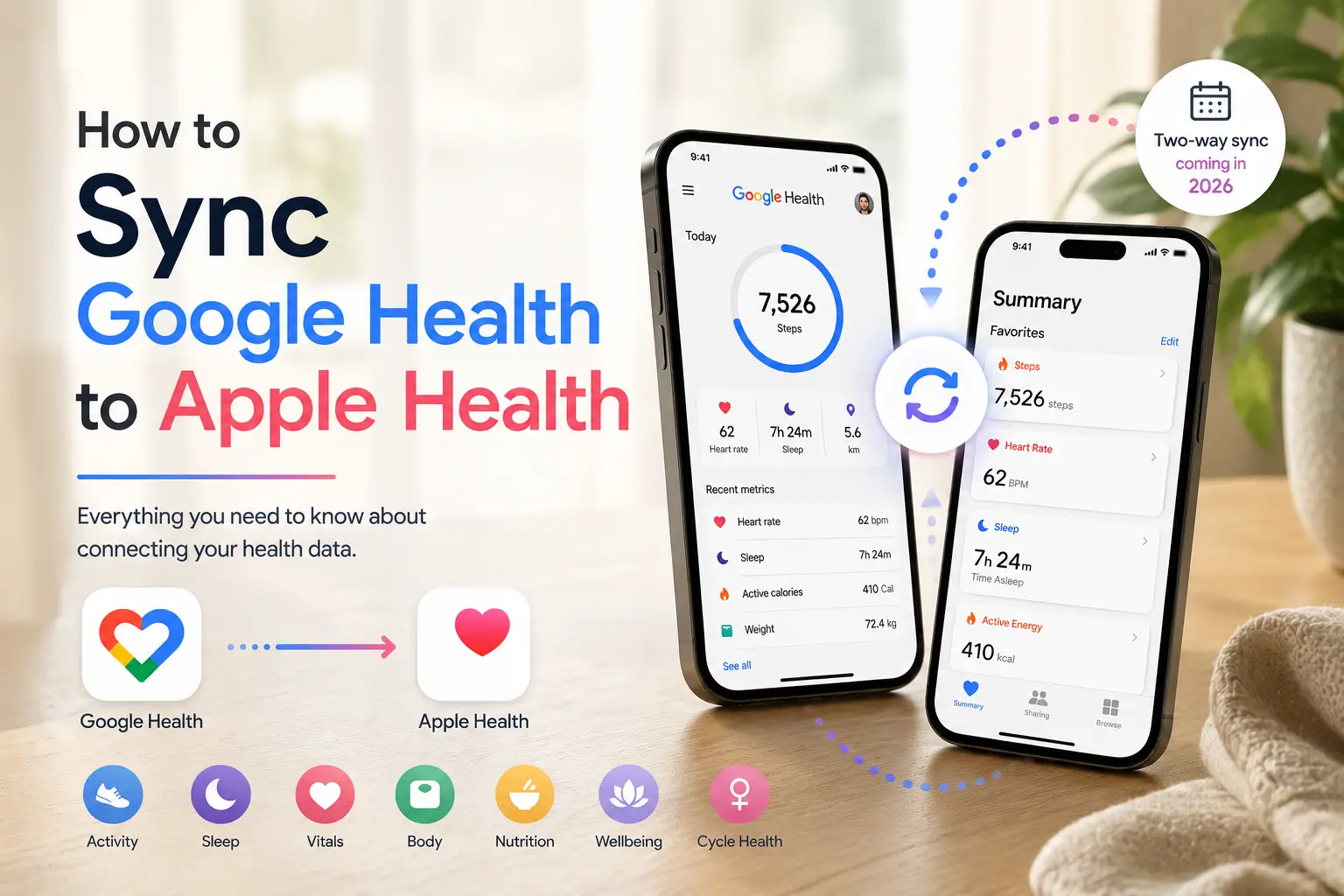
One thing people worry about when leaving Fitbit is losing years of step, sleep and heart rate history. You can export your Fitbit data through your account settings, but most new platforms do not import that history directly. That means your old data may end up sitting in a ZIP file instead of helping you understand your long-term health trends.
This is where a health data aggregator like Sonar can help. Instead of locking your data into one wearable brand, Sonar connects data from your wearables and apps into a single dashboard. That makes it easier to switch from Fitbit to Garmin, Apple Watch, Samsung, Oura or another tracker without losing the bigger picture of your health.
Frequently Asked Questions (FAQ)
What is the best Fitbit alternative for battery life?
Garmin Venu 4, Amazfit Bip 6 and Garmin Forerunner 265 are strong Fitbit alternatives for battery life. They last longer than most full smartwatches, making them better picks for people who do not want to charge their wearable every day. When it comes to Apple, the SE 3 is weaker on battery life, with AppleInsider noting that it still lasts about a day and needs daily charging, although fast charging makes it easier.
Do all alternatives to Fitbit require a subscription?
No. Garmin, Amazfit, Apple and Samsung all offer their core health features for free.
Can I switch from Fitbit without losing my health data?
You can export your Fitbit data manually, though most new apps won't import it automatically. A third-party health aggregator app can help bring older and newer data together in one place so you're not starting over.
About Sonar
Your body is talking. Are you listening? Sonar unifies all of your wearables, lifestyle, and biomarker data to unlock personalised insights and detection once reserved for elite athletes and biohackers. Trusted by 250,000+ users across 170+ countries, Sonar helps you cut through the noise across sleep, recovery, stress, activity, and nutrition - so you can focus on what actually matters. Sonar isn't just another health tracker. Launched out of Columbia University in New York, it merges the latest medical, sports and data science with AI engines that continuously surface subtle shifts and patterns across millions of data points, helping you know when to push, when to pause, and where to focus next.
More to Explore
Get the latest from Sonar
Share your email to stay up-to-date with all things Sonar
- English (UK)
- Bahasa Indonesia
- Bahasa Melayu
- Català
- Čeština
- Dansk
- Deutsch
- English
- English (Australia)
- English (Canada)
- Español (España)
- Español (Latinoamérica)
- Español (México)
- Français
- Français (Canada)
- Hrvatski
- Italiano
- Magyar
- Nederlands
- Norsk
- Polski
- Português (Brasil)
- Português (Portugal)
- Română
- Slovenčina
- Slovenščina
- Suomi
- Svenska
- Tiếng Việt
- Türkçe
- Ελληνικά
- Русский
- Українська
- עברית
- العربية
- हिन्दी
- ไทย
- 한국어
- 日本語
- 简体中文
- 繁體中文
EN